online lessons
online lessons
The lessons on this page will give you experiences of great ease and freedom .. They offer a deep immersion into the experience of life within your body and will assist you to understand what is going on within you. They are organised into themes but with each lesson there is a common goal - tuning in to the language of sensation, without correction - in order to refine the ease and quality of the way you sense, think, feel and move.
The lessons are not things that need to be learnt successfully or done properly .. they are opportunities to observe, appreciate and harness the unique qualities and characteristics of your body .. and how it serves you in life ..
Keeping your attention focussed on the lesson, is in itself a meditation that offers a holiday. Slowing down .. so that you move in harmony with the rhythm of your natural breath .. will enable you to luxuriate .. in the sense of who you are, what you are and where you are ..
So take it easy and remember that in this work, less is more! Reduce effort and simplify the way you move. Gently observe the dance of your mind through the whole of your living body .. and the life of where you are ..
KNEES TO THE SIDE
free introductory lesson
This lesson takes about an hour and will give a good sense of how very small movements when performed with close attention can make a big difference. Take it easy! Make very small movements .. slowly .. and without force. In the Feldenkrais Method, awareness of movement is more important than the movement itself.
Explores the effect of paying attention to your body, standing balance and the experience of being centred.
Considers the way you bend to perform everyday actions such as tying your shoelaces. It makes bending easy.
Explores the fundamentally important connection between your head and pelvis by gently twisting in a variety of orientations.
Gives you an opportunity to move each vertebrae of your spine in several directions. It will give you a very different experience of your back.
Is an ingenious lesson that uses circular pelvic movements in a variety of orientations. It gives tremendous freedom through the hips, pelvis and lower back.
Is a sitting lesson that explores seeing, turning and the connection of your limbs through your torso. It makes turning and reaching easy and gives a great experience of freedom in your head, neck and shoulders.
Explores the notion that you already breathe well; it’s just a matter of feeling it. It utilises breath observation, breath retention and manipulation of the space within your body.
Explores the relationship between the bones of your feet and the rest of your body. It asks you to gently pull your toes in a variety of orientations that assist you to feel the connection from your feet right through to your head. It generates great ease in standing.
This lesson explores the interrelation of the arches of the feet, hands, diaphragm, and pelvic floor along with the tongue and soft palate. It’s a co-ordination challenge! The idea is to go for length, width, depth and ease. It's deeply relaxing and may make a big difference to your balance and sense of freedom.
How do the 6 qualities of our 2nd chakra, Svadisthana - Honesty, Sexuality, Creativity, Trust, Respect & Compassion - relate to our self image & the organisation of our body? This sitting lesson explores how acceptance of where we helps us clarify our internal sense of alignment. We sense the position of this 6 petalled lotus within our pelvis & how it has a central role in the distribution of Prana.
This lesson pays close attention to the rhythm & extent of your breath right now. What actually happens as you breathe? How does it relate to the way you think & feel? You’ll consider your respiratory cavity from sinuses to pelvis in 3 D - then explore moving your head & limbs in time with the natural rhythm of your breath. It's not so simple … but deeply relaxing!
This lesson uses the natural rhythm of the breath as inspiration for movements of the eyes & pelvis. We listen for the precise moment when our breath changes direction & ensure that each movement we do takes the full duration of each inhalation or exhalation. If we allow vision & breath to co-ordinate our actions they are very efficient & pleasing. This is a deeply relaxing class!
This lesson explores the natural rhythm of your breath throughout the entire respiratory cavity to discover ease of movement. We imagine eyes within the pelvis, head & ribcage to develop 3-D awareness & our ability to move with expression. So much of the air we breathe is wasted. We savour the movement of breath in and out of our body as gradually it becomes easier to move. It’s another deeply relaxing lesson.
This lesson sees us beginning to extend the length of our breath & to reduce the amount of air we use. There is so much to be gained here. We maintain awareness of our natural breath rhythm tuning into & moving the layer of skin & superficial fascia that surrounds our body in time with the rhythm of our breath. It's once again deeply relaxing as you move at your own pace.
This lesson explores the role of the diaphragm, pelvic floor and soft palate within the respiratory cavity and the layers of muscle, skin & fascia surrounding it. Can we slow ourselves down & move those structures ‘manually’ in a way that replicates our natural rhythms? If we combine that with a movement how will it feel? Go for a walk afterwards!
This lesson explores a breathing exercise developed by Carl Stough. We count out loud as we exhale seeking to maintain the length & integrity of our body. Just beyond the moment we need to breathe in .. we let it flow & observe the changes. As we relax into deeper, easier exhalations our breathing returns to an effortless flow. It's a lovely feeling .. of releasing from the inside.
This lesson uses our need for oxygen to free our body. We consider the geometry & orientation of both our head, neck & torso & respiratory cavity. We count aloud being aware of any unnecessary tensions & of how the whole mechanism moves. We speak slowly, sensing the resonance of our voice & stopping when we need to soften. Go for a walk afterwards!
Are the rhythms of our breath & our interactions with the world in harmony? How do we respond when faced with difficulty? In this lesson we move using the full duration of our breath & whilst speaking in various ways. We sense the possibility of an open & organised body as we do it. In every moment there is the opportunity to stop and rebalance. How will it influence the way we breathe & move?
This lesson uses the memory of water - it's supportive contact & flowing consistency - to consider twisting & rolling. We explore the smooth transition between flexing & extending in various directions. We also use a slow exhalation with counting to develop more awareness of the cylindrical nature of our head, neck & torso. Go for a walk afterwards!
The substance of air! We imagine ourselves falling to sense the resistance of air. We swoop & curve over mountain fields like wing suit pilots & explore what is needed to control our flight. We explore the freedom of our head, neck & torso. If we move with our breath & imagine the air both around & within us does it become possible to lift ourselves with less effort? Can you walk on air?
How does your head balance? Where is the top of your head? This lesson explores poise & the temporal bones that contain your primary organ of balance - the vestibular apparatus. The heads centre of gravity sits in front of its point of support. It’s constantly in motion. The movement needed to maintain this delicate balance is indeed the steering wheel for 'up'. Go for a walk afterwards!
This lesson explores the position and significance of the Sphenoid bone. It’s part of the base of the skull & the top of the back of the nose. It sits in front of the skulls centre of gravity, is shaped like a butterfly and our breath passes beneath it. How can awareness of this exquisite bone assist us to feel the delicate balance of the skull on top of the spine? or the weight of the skeleton in its dance with the space in the airway? Or the sense of freedom in our eyes? Go for a walk afterwards!
This lesson explores our face & the co-ordinating role of smell in our lives. One of the unique characteristics of smell is that we often respond to it without being aware. So many of the decisions we make about how a place or we feel are coloured by this mysterious sense. Our faces can become a barrier between us and the world & the 14 bones and soft tissues of our visceral skull are the canvas upon which this drama unfolds. If you soften the bones of your face how does it impact your experience of life?
This lesson explores the midline from front to back. We focus on the shape of the maxilla and mandible and how those shapes are reflected in the chest and pelvis. We think through the middle of the body from the top of the visceral space in the head down to the pelvis. We roll on the wall exploring the shape of our body from the front and back to the midline at the sides. Go for a walk afterwards!
This lesson explores the shape of each side & the length and width of the body. Rolling over our side we reach a point where our orientation shifts from being on the front or back to the other. Our whole body reorganises itself to suit the new orientation. How can we extend through our limbs so we could feel a connection right through the centre of our body? How will sensing the midline from front to back & out to the sides influence the way we can move?
This lesson explores the limbs and how we transfer our weight from one side to the other. It examines how each side supports the other to move and wraps our movements around the midline of our axis from front to back, side to side and top to bottom.
This lesson explores the interrelation of the arches of the feet, hands, diaphragm, and pelvic floor along with the tongue and soft palate. It’s a co-ordination challenge! The idea is to go for length, width, depth and ease. It's deeply relaxing and may make a big difference to your balance and sense of freedom.
This lesson explores the diagonal connection between the opposite hip and shoulder. How we direct force from one side to the other is a multi-faceted experience that can flow in a limitless number of directions. How do we find precision in our ability to feel through our head, neck and torso? How does that translate into the way we shift our weight when walking?
This lesson explores the the connection of the hands and feet through the midline of the body. Do we favour some fingers or toes at the expense of the others? How do we organise our arms, legs and spine to use the whole hand and foot? Our expressive potential is immense. What if the subtle movements we made were able to trigger music? As if we were conducting some sort of cosmic orchestra. An orchestra that would play music that was an expression of the way we felt in that moment? Go for a walk afterwards!
This lesson explores the way we shift our weight from foot to foot when walking or dancing. We continue our exploration of the diagonal connection between opposite limbs & notice how our whole body adjusts when we shift our weight in several orientations. Doing this simply allows you to be free & move in a circular fashion. It's the essence of a good groove when dancing. Go for a walk afterwards!
Our heart beats 60 to 70 times a minute to circulate 5 to 6 litres of blood through a network of blood vessels 100,000 kilometres long for our entire life. Is the sensation of our heart beating the sensation of life? This lesson is focussed on listening to our pulse. What is the sound of our heart? and how is that sound reflected in the acoustic environments we are in? Go for a walk afterwards!
The sound of the heart beat reverberates through our entire body. You can hear it in moments of stillness & feel it through your pulse. Through sensing the rhythmic flow of blood between the beats we can feel the shape of the pulse and sound. Sensing the pulse as we move requires stillness It ensures a smooth flow of movement & allows us to listen through the resonant ears of our ribs.
This lesson uses 'Resonant Breathing' - 5.5 breaths a minute. We measure the time in heartbeats. To settle into that rhythm we relax & absorb ourselves into the shifting rhythms of the heart & lungs. We attune ourselves to the flow of breath & the sense of circulation from within. We move in a few simple directions and go at our own pace. This is one that can be done again and again. The effect is very nice.
What role does the cardiovascular system play in your felt sense of the world? What do you feel through your ribcage & circulatory system as you use the sensors of your head? How does the quality of your heart beat & breathing change as you navigate the world with your senses? Can you listen with the heart? You'll use your imagination, the wall and the floor to enhance the experience.
This lesson explores the space within which the heart & lungs function. We consider where they sit in the overall plan & how all the structures of the body are supported by the fascial system. We manipulate the space within our torso and ask the question - How much space do the heart & lungs need to function well? The lesson takes place in standing, sitting & lying. You will feel spacious!
Listening to the rhythms of our heart, our breathing & the flow of Cerebrospinal Fluid can create a stillness in action. In this lesson we imagine the occipital bone that sits on top of the spine & the sacrum at the base as a pair of hands connected by the flexible arm of our spine. We explore small circles of these 'hands' in different orientations to tune with those rhythms. Go for a walk afterwards!
This advanced lesson explores the relationship between our extraordinary tongue & heart. We consider the space of the airway & our capacity to sense our environment with our tongue & nose. What is the extent of the home of smell & taste? How does it relate to the house of breath & blood & our centre? In traditional Chinese medicine the heart is related to fire & its orifice is the tongue. You may even discover an inner dragon!
This lesson contrasts the relationship between the elbows, knees and ribcage with the relationship between the head and knees and the elbows and pelvis. Before our limbs developed to their full size our centre of gravity was in our ribcage. As our limbs developed that centre dropped down into the pelvis. We examine the consequences and possibilities of these two middles. Go for a walk afterwards!
This lesson explores how the shoulders, hips, elbows & knees can hold or move away from each other - via the head, neck & torso - to support easy movement. We explore circles in unusual places to create freedom & the sense of being effortlessly connected. We roll over onto our elbows considering how we use the ground & the elliptical structure of our body to maintain balance. Go for a walk afterwards!
This lesson explores the organisation of our body relative to gravity. We consider the space between the head & pelvis as a channel between heaven & earth. The pelvis supports the whole body to smell & taste the ground within the force of gravity. The head orients us within that field & considers its source. We summarise some of the concepts from this series of lessons in the midst of this journey. Go for a walk afterwards!
This lesson explores the balance of the flexors & extensors in the hand & forearm. We do cardinal movements of the hand & wrist to sense the connection of the fingers into the shoulder & torso.. How does our capacity to move shape our experience of the world? If we discover more freedom through our hands & arms will that influence the way we write or practice the things we love?
This lesson explores the width of the horizontal spaces of your hands - the layered joints from wrist to finger tip along with the capacity to sense the orientation & movement of your whole body within them. The ability to move all your fingers evenly through each of the joints allows you to funnel the strength & sensitivity of your whole body into the use your hands and arms.
This lesson explores the power & sensitivity of our grip via our amazing thumbs & their ability to oppose the fingers & palm. We consider the arch in the hands & wrists as an expression of the front & back of our head, neck & torso. We also examine the role of the eyes & the way the most sensitive touch is not just with our fingertips but with the arm & shoulder & the whole head, neck & torso.
The felt sense of each side is a window to the space around us. We use touch, the floor & drawing to feel the sides form & function. You'll need paper & pencil for this one. Our bodies have quite a frontal orientation. The eyes, nose & mouth face forward but our primary organ of balance is found in our side-facing ears. We'll feel the depth & width of our sides & sense what is central to life.
Our feet are both shock absorber, spring & sensory apparatus. This lesson uses delicate movements of our toes in a variety of positions that enable us to develop a solid 3-D sense of our feet & legs. How do they connect through our torso to the head? How can we optimise our balance to feel strong & flexible in any position? How will that influence our dexterity?
We are a part of Earth's gravity. It shapes our lives as an ever present force drawing us down to the centre of our mass. To move with that flow is to move with the essence of life. We realise our elasticity by balancing our limbs in the falling - sensing their weight & correspondence. We reach away sensing both sides through the middle. We balance length, width & depth to create lightness & ease.
This lesson explores our length, width & depth & the connection of our hands & arms to our body. We consider the shape of each side & the influence of being a right or left hander. We rotate ourselves in different orientations to develop a 3-D sense of our body in space and how we can move in harmony. Go for a walk afterwards!
This lesson explores lengthening the hamstrings in a way you'd probably never expect. If we're stuck & use force we limit our awareness. This process asks you to consider restrictions relative to the full length, width & depth of your body. We also work in an unusual orientation that ensures that gravity is our ally. Tiny movements, practice & patience here will make a long term difference.
This lesson considers the tubular structure & interconnections of the five cardinal lines of our body - The limbs & our head, neck & torso. We explore the volume of our body from the inside & the way we can reach & return through the head, pelvis, feet & hands. It uses the wall and ends with us clambering to stand. Go for a walk afterwards!
How are your perceptual filters embodied? Do your tensions influence the way you see? If so, how do you find the stillness to see what is actually there? As you move, you'll sense the width of your hands, feet & pelvis along with the shape of your eyes & the visual field. You'll explore your sense of space & consider the story of where you are. What is the story you would like to write?
Our head, delicately balanced on top of our spine organises our balance. If our head & spine can move freely we experience a lightness & ease in everything we do. The balance is subtle! We need to allow it rather than do it. How can we allow something we cannot feel? If we pay attention without correction we may find that dynamic stillness & the value of absorption. Go for a walk afterwards!
The orientation of our ribcage & pelvis have a major impact on the balance of your head. It's hard to look up if your ribcage is facing down. This lesson explores the head, ribcage & torso, dividing the ribs into four sections that each move & respond to thought & feeling in a different way. If you had eyes in your ribcage right now, where would you be looking? You’ll need a towel rolled along its length for this lesson.
Your eyes sit in the front of your head & counterbalance with incredible delicacy to maintain your stillness of focus. They assist in building working models of both yourself & your environment. This lesson explores your ability to look in peace as you sense your body's orientation both within space & the fall line of gravity. How much of your visual field do you use?
This lesson explores the depth of the midline from front to back. We have two eyes, two ears. two sides to our tongue & two sets of limbs but each side is different. Gaining a clear sense of each side is a significant milestone in our development. How do the eyes & tongue sense each side along with the whole? You'll need a rolled up towel for this lesson. Go for a walk afterwards!
This seated lesson explores the consequences of the orientation & organisation of our body within space. Does self image play a part? How do we sense the space around us with our head, chest & pelvis? How is our ability to function influenced by the range of our visual field, the organisation of our body within it & our (self) image of the space we are in? Go for a walk afterwards!
Co-ordinating movements of the body with our sensory perception is a fundamentally important aspect of our orientation to the world. The muscles that organise this are found at the deepest layer along our spine. This lesson explores the relationship between our eyes, head & spine. When the head leads & the body follows you feel lightness & ease in everything you do. Go for a walk afterwards!
The delicate balance of your head on top of your spine helps you maintain stillness of focus as you move. The tiny muscles from the top two vertebrae to the base of your skull play a significant role in that balance. This lesson explores the unique movement of the atlas (C1) on the axis (C2) - its relation to the sense of your body in space and to the use of your shoulder & arm. Go for a walk afterwards!
This lesson explores the way we respond to what we sense. What is the mechanism for an instinctive response? How do we track the movement of our eyes with our whole body? Is there a difference to each side? We play a rather unusual game of tennis where we sense how our body can orient itself to a ball that could come from anywhere. We listen for the connections between our eyes, head, pelvis & legs. Go for a walk afterwards!
Many people have a static internal image of their body. This lesson asks you to sense that image relative to your sensory fields & as a moving structure. It asks you to move your eyes in time with your breath & the movements of your ribcage. The movements of breath follow the shape of your ribcage & move across the axis of gravity in the horizontal plane. How does that influence your ability to be upright? Go for a walk afterwards!
You'll need three oranges for this as we explore buoyancy with objects. How does the freedom of our head, neck & torso influence our ability to use our incredible limbs? How can we use the feeling of our body's internal image relative to the environment to orient ourselves? How can we use all of our senses to make decisions based on what we sense now rather than what we have learnt from the past?
This lesson explores a connection between your jaw & the experience of life. The jaw is as wide as the space within your top rib & the space between your hip sockets. It's a similar width to your sacrum & the depth of your shoulder from front to back. To sense this inner ‘column’ as we move requires stillness of focus. It's a perfect place to examine threads within the fabric of mind.
What are the connections between thinking, feeling & our body? How do coercive ideas of culture, environment & identity influence us? Our response to the behavioural rules of culture shapes our sense of self & world. How do we look beyond these predispositions to see what is actually there? We explore the way movement begins sensing those invisible links through the experience of life in our body.
How do you experience thought? Do you feel it within you? Does it arise as an image or feeling or words? This lesson explores the conversation between thought, feeling & movement. It considers the tensions you feel as expressions of that conversation. The mind moves but sometimes we get stuck. What happens if we listen through the whole body & listen to those tensions as if they were a friend?
How can we remain calm in an action? When stressed we often lose our ability to adapt to the flow by bracing ourselves. In this lesson we listen to our pulse as we move & speak. We exaggerate tensions through a slow exhalation & relax as we go. Spreading our attention we sense how that flow is always there. You'll need a rolled up towel for this lesson. It's deeply relaxing & useful when times are hard.
Rolling your pelvis on the floor in time with your heart & breath asks for precision & a stillness of focus. How can you make the circle smooth & adapt to changes in your pulse? You'll use a tennis ball to feel a new perspective & involve your whole body. Listening to & moving with your tensions rather than resisting, enables you to spread the effort. It all begins to flow. Go for a walk afterwards!
Sitting on a stool near a wall we place one tennis ball under our hip & another between our back & the wall. Rolling these two balls in a variety of positions enables us to explore the connection of our legs to the head, neck & torso. How do we rotate so that our head is still & our feet are soft & certain? This is an early stage crawling lesson. You'll feel the effect when you walk afterwards.
This lesson uses 3 tennis balls (or something similar) to find the flexibility to feel comfortable sitting on the floor. Rather than focus on specific tensions you'll spread your attention through your whole body. You'll consider your legs & your head, neck & torso as a flexible plane with your pelvis in the middle. If you feel tensions in one part of the body we search for mirrored tensions in the rest. The effect is lovely!
You’ll use 3 balls to explore the connection of your limbs through your head, neck & torso. The simple circular movements on your back, stomach & side are not so simple when you’re keeping those balls in place! Moving in harmony with your breath & listening through your suit of skin & fascia may make it easier. It may also make a difference to the way you stand & walk.
This lesson uses 3 tennis balls (other balls will do!) to mirror the movement of our eyes & to examine hand/eye co-ordination from the perspective of the whole body. Our hands & feet are connected through the head, chest & pelvis & each side supports the other. We need stillness of focus to move with precision. Using tiny circular movements we may find that stillness, perhaps in heart & mind.
We examine standing & walking via the inter-connection of our limbs through the whole head, neck & torso. We use 4 balls (3 will do) on the wall & floor to discover how we can align ourselves when standing & walking. Tuning into our incredibly sensitive hands & feet enables us to refine our balance so that standing feels stable & easy. If our whole body moves we can roll with each step.
How does each hip & shoulder connect through your torso? How they relate to the rest of your body? It's a simple & deeply relaxing lesson. You'll consider the connections, potential movements & influence of your collar bone, shoulder blade, arm & underarm through your whole body. It takes place on your back on the floor & will leave you feeling very free & deeply connected.
Our hands extend from the whole of each side yet we often limit our freedom through losing that connection. In this lesson we explore how subtle adjustments of our hips, shoulders, elbows & wrists can make it easier to reach out or direct force through our torso in a way that suits our structure. Will this enable us to be comfortable even if the position is awkward? Go for a walk afterwards!
Where is the midpoint between front & back? It's easy to feel in the underarm but not so easy through the hips & legs to our feet. Is there an underleg that could help? We explore moving the hip & shoulder through & around the midline - toward & away from each other & to other parts of our body. We use our hands, our feet & our pelvic floor to find the middle everywhere. Go for a walk afterwards!
How do we hold things? An object .. an idea .. or the ground? We'll use two balls to consider our centre from top to bottom, side to side & front to back. We'll lengthen & widen to explore how each side supports the other. If we lengthen our limbs away from both the ball & our centre we may even feel like a spring. This was recorded in a forest. I hope lack of volume is compensated by atmosphere!
The cylinder of your multi layered torso supports your spine & allows movement in all directions. In this lesson you'll lift your head & limbs to feel how the whole torso participates in every weight shift. You'll consider the relationship between each shoulder & hip to feel how force flows through & around your structure & how it's always relative to the midlines. Enjoy a walk afterwards!
How do we maintain the strength, integrity & balance as our limbs extend away from the midline? The sliding layers of our cylindrical torso move in different directions & allow simultaneous movement in multiple directions. Our limbs are extensions of this system. We explore lifting our limbs toward the ceiling directing the movement from different sides of our torso. Go for a walk afterwards!
How do we focus our eyes? Is the organisation of our body an influence? Our eyes are just the camera. It's actually the brain that sees & it uses all our senses to do it. Calmly spreading our focus can reveal a surprising ability - we can scan objects without moving our eyes. Are problems with seeing really problems with looking? & how can the hands & feet assist? You'll need 2 balls for this one.
We sit, tuning into the volume of the visceral cavity from our jaws to the pelvis. We hold the upper jaw & back & the lower jaw & front as an idea. We connect the jaws with our shoulders & hips. What do the tongue, soft palate & pharynx do when we move our jaws? How we use the senses of smell & taste? As we wander the fragrant spaces within how will it affect the felt sense of who & where we are?
How do we maintain integrity as we move? If we use our breath as a template - sensing the way our head, neck & torso open in every direction - we may find that ease. We'll move our fingers & toes, our pelvic floor & our soft palate to track what we do from inside & out. If we are gentle & patient - if we use imagination & the softness of our breath - we may open to the movement of the gods.
How do we move the torso expressively when dancing salsa? Small steps, being in time & a fluid transfer of weight all help. We move our shoulders & hips with the cycles of our breath, our heart & to music. Where is the centre of the beat? & what is the shape of the pulse? You’ll need some salsa music for this one. I make recommendations in the next window if you get this one.
How do we feel the sense of where we are .. within our body? Is it real or imagined? We share consciousness of where we are & what is around us with all creatures. It's independent of thought but how does it affect the way we think & function. We'll consider the movements of our torso & the link to primal movements. We'll expand the range of what we feel (safely!) & deeply relax in the process.
This lesson, useful for arthritis or dexterity, explores a way our body image can be distorted or made whole by the things we imagine. We explore movements of flexion & extension in our hands & experience the involvement of the whole body. We consider the inter-connective web of life that surrounds us using our weight & imagination to harmonise ourselves with the vitality of where we are.
We stand on, lie on & move with a version of ourself in a parallel upside down universe. We stand on our/their feet & feel our/their weight along with the felt sense of how it is to be us. We examine our connection to place through our feet using the root system of an imaginary magical forest. It's good to know that somewhere, someone has your back & that wherever you are you have what you need.
Feldenkrais said all actions involve sensing (body & environment), feeling (self, needs & environment) & thinking. In our divided world we often lose touch with the feedback from their interplay. That can make life dull & mechanical! We explore counting out loud with an imagined version of ourself in a parallel universe to explore how this trio can bring wholeness & vitality to everything we do.
Most of what we think & feel is unconscious. It can both enhance & interfere with what we try to do. Our thoughts can often feel quite random but if we tune in to the basic emotions of our drives they make sense. So we move our fingers & toes in time with our breath as we roll to sit & stand. Can we keep our mind on the job? If we listen to the link between thought, feeling & action .. maybe we can.
We use breath, a delicate movement of our hands & a little magical thinking to imagine smoothing the ends of our telomeres - the sealing caps on the ends of our chromosomes. How will our thoughts & feelings influence this? We work with an imaginary version of ourself in a parallel upside down universe to explore the idea of listening, being heard & how a caring touch can influence both self & world.
We explore the 'subtle body' as an inner landscape of lived experience - a space where thought, feeling & sensation from body & environment interact to create a felt sense of being. It's a flexible & potentially nourishing landscape influenced by our state of mind & connection to where we are. We move our breath & imagine being an all-seeing, compassionate deity to find balance, awareness & freedom.
We explore a bicycle or scissor kick (on the ground!) to explore what happens when movement is restricted or free. A balance of sensing, thinking & feeling is necessary to score a goal like this. We sense the poise of the skull as a switch room for all three - from its base to the neck, limbs & torso from both back & front. Using our eyes, tongue & diaphragm we may find the freedom to score that match winning goal.
How do thoughts, feelings & actions shape each other? What is the space of our body? Should we include our sensory fields? How do we experience our mind? Does it extend beyond our body? We explore 3-D diagonals of our pelvis, chest & head to consider whether more clarity in our body is mirrored by more clarity of mind. Can we sense mental events before they arise if we sense the space of the mind?
How do we live a good life? Will our successes be a part of the problem or part of the solution? Using 3-D diagonals that wrap around our body we flow from sitting to rolling on the floor. We sense how clarifying the space of our body, clarifies the mind & offers respite from mental affliction. How our daily practice can create the stillness to sense not only our voice but the needs of the garden at large.
This was a brief talk from the beginning of the 10th lesson in this series. It asks you to consider some of the things that are important to you in your life and the consequences of achieving them. How do we go about doing what we do?
We live in a soundscape that affects us more than we realise. In our visually dominated world we are often more aware of what is in front. Yet we are surrounded by life. What happens if we consider the whole body as ear tissue? If we sense the resonant & receptive qualities of the back & sides of our body. How will it affect our orientation & the sense of who we are? Go for a walk afterwards!
The main organs of balance are in the inner ear but does the middle ear have a role in sensing the inner balance of our body? Can you feel changes of position in your ear drums? The cavities of the middle ears open into the pharynx via the eustachian tubes. It's an airy space that extends from our ears to our nose, mouth, throat and lungs. We move our held breath to feel the pull on the membranes of the inner ear in various positions. How will this affect the way you stand & move? Go for a walk afterwards!
The Vestibulo-ocular reflex stabilises our gaze during movement. It works in both directions. This lesson is a journey into stillness of focus. It explores a way of tuning into the spaces of our middle & inner ears relative to the stability of our visual field & the balance of the whole body. Keep your eyes, your ears & the rest of your body soft & receptive as you move. Go for a walk afterwards!
Sitting at a table we explore the sensitivity of our hands & feet to sound & vibration. How do we tune ourselves to feel such subtle sensations? How do they move through the resonant chambers of our body? Is the process of acquiring wisdom a process of harmonising? We'll listen through the hands to the feet via the balance of our head, chest & pelvis to consider the 'understanding of the heart'.
What is the sound of your inner voice & where do you feel it? Can you hear it within your pelvis? Using the wall & floor we'll sense our feet & pelvis as ears & our legs as ear canals. We'll sense the pelvic floor & obturator foramen as eardrums of the pelvis & legs that resonate within & through the torso to the middle ears via the Eustachian tubes. How will this affect your sense of self & world?
Where do we find the poetry of life? Is it the unadorned expression of our existence in an action or the realisation of connection? On the floor we roll, crawl & then stand - moved by what we sense, think & feel. We adjust to find effortless kinetic lines from the 'ears' of our hands & feet through to our inner ears via the resonant chamber of our head, neck & torso. Is there a sound of connection?
The qualities of our inner & actual voices are shaped by our sense of self & world. Sometimes the spontaneity of this relationship is challenged. What happens if we allow our voice to be the way it is & listen without correction? We do make sounds in this lesson. We experiment with the spaces within us, our position & our imagination to hear just how malleable & amazing your voice already is.
Paying close attention, we count slowly to 10 again & again, on a single breath. We control exhalation but only observe inhalation in a process that can lead to a surprising amount of freedom. If we relax unnecessary tensions as we speak each number - If we spread our effort evenly & listen for sound through the whole of our body, we may find it becomes so much easier to breathe & use our voice.
We look for thoughts that shape our sense of self & world. In particular, those that divide us. Sensing the way we feel in various positions, we listen for a thought that matches what we feel. We soften .. as we speak that thought again & again on a single breath .. then relax & reconsider. If we feel a divisive thought through our whole body will that affect its power & our ability to do what we want?
The volume of a thought or feeling is shaped by our reactions. How do our collective habits of thought shape our aspirations & ability to imagine an action? We imagine a skill that is important to us in various positions. We verbalise positive intent & negative habits of thought on a single breath, listening for reactions through our body. If we soften & drop our reactions what can we imagine & do?
Our feet are like ears to the ground. If we listen to the soles of each foot as we move we may sense a path to balance. Is the pressure even? Or are our feet unresponsive? If we move in stillness, adjusting all the segments of our limbs & torso - so our weight can fall evenly onto the 3 arches of each foot - we may find the flexibility & vitality we need to move with ease. Go for a walk afterwards!
This is a shorter version of the previous lesson. We move in stillness, adjusting all the segments of our limbs & torso - so our weight can fall evenly onto the 3 arches of each foot sensing the flexibility & vitality we need to move with ease. Go for a walk afterwards!
The joints of the hips, knees, ankles & feet along with the shoulders, elbows, wrists & hands connect the upper and lower cylinders of our limbs through the cylinders of the head, chest & pelvis. Co-ordinating their movement is the difference between moving with ease or wearing yourself out. We consider the way our joints want to move as we lift our limbs or transfer our weight. Go for a walk afterwards!
Our eyes & tongue react to all of our thoughts & feelings. How does that affect us? We sense counterbalance as we imagine our eyes & ears floating on an ocean, the movements of our tongue reflecting the deeper currents of thought & feeling beneath the surface. Can we go with the flow as we maintain the stillness of our eyes & the balance on our feet? Go for a walk afterwards!
We monitor balance both within our selves & our culture. Sensing what we need & what is available, we take actions, then reflect on the process to refine those equilibriums. How do we find what we have to offer, develop & then offer it? We use awareness of our tongue, our eyes & our imagination to explore the way feeling, sensing & thinking can interrelate to allow a sphere of influence to emerge.
The arms & legs connect to each other as expressions of length & width. The action of each depends on the other. How can we organise our limbs so that they are functional in any orientation? How do the curves of our spine, ribcage, pelvis & head influence the way we move our limbs? The pelvis & our sense of the side are central but it is the sense of our own unique qualities that will connect us.
We sense our viscera & skeleton in breathing & movement, through the 2 parts of our skull. The cranial skull contains our brain, eyes, ears & connects to the spine. The visceral skull is the roof of a cavity that extends from the nose to the pelvis & contains our other organs. It's the depth of our front & connects to the cranial skull. How do the two parts of our skull participate in our balance?
We roll our pelvis around a clock on the floor with our legs long & hands behind. We lift & lower the pelvic floor, diaphragm or soft palate to clarify our sense of the space within. If you lift the pelvic floor at 4.30, or the diaphragm at 1.30, or your soft palate at 3.00, will it help you to roll? Can you soften your limbs as you do it? Even if you can't you'll walk with a new sense of stillness.
With vertical clocks around our pelvis, chest, head & limbs - we lift, lower & roll ourselves to the rhythm of our breath. We move our three diaphragms to feel the connection of our limbs through the head, neck & torso - around & through the middle of each clock. In rest, we attend to the process of space unfolding within us, allowing the flowers of our mind to flow with every action.
We imagine the septum of our nose, our soft palate, diaphragm & pelvic floor as sails that move in the gentle breeze of our breath. A clock guides our expansion & contraction in every direction as we breathe. Moving our soft palate & pelvic floor we trim our sails & clarify the space within us then sense, as we walk, how our floating soft palate contributes to the delicate balance of our head.
We feel the shape & curves of our spine from head to pelvis - using an imaginary soft palate, a pelvic floor & a diaphragm that can slide over & hold the torso & spine. We use the idea of sails to sense level as we twist & turn, exploring our access to the space around us. Can we adapt to whatever happens in life with composure? If we move with the rhythms of our natural breath will it be easier?
In Vedic literature, Prana is spoken of as a universal animating force that flows within our breath, blood & body. It can be cultivated & channelled with patient attention. Feldenkrais spoke of it not as an energy but as a synergy. So we'll explore the qualities of the Chakras & Nadi’s in movement. How does our orientation to the virtues the Chakras represent shape the way we move, perceive & live?
How do the 6 qualities of our 2nd chakra, Svadisthana - Honesty, Sexuality, Creativity, Trust, Respect & Compassion - relate to our self image & the organisation of our body? This sitting lesson explores how acceptance of where we helps us clarify our internal sense of alignment. We sense the position of this 6 petalled lotus within our pelvis & how it has a central role in the distribution of Prana.
The 3rd Chakra, Manipura - 'Palace of jewels' - manages & stores our Prana in 'the void'. It sits amongst the digestive organs at the solar plexus. Chakras are rooted in the earth & opened with mind & breath. We pay close attention to the direction of each inhalation & its affect on the bud of this yellow lotus. We harmonise the universal with the individual to sense Tapas & the Soma of Vedic Gods.
Anahata, is a twelve petalled green lotus that sits just behind the heart. It's element is air & just like the heart, it relates to our capacity to flow. Even when we are stressed & tense, resisting our experience of life, blood continues to move through our body. What can this teach us? The challenge is to align the speed & intensity of your movements with that of your breath.
Anāhata means 'sound produced without 2 parts touching'. It generates a sound! It is 'Brahman' - Om (or Aum). What is that experience? We clarify space by moving our head, neck & torso, sensing the universal & the personal through our breath. When we are tense our breath & blood still move revealing the illusion of our stresses. Anāhata is the sound of life in the face of 'mental affliction'.
Vishuddha sits behind the larynx within the speech filled garden of the mouth, nose & throat. It distills the heat of the other 4 chakras using Lalana, a chakra above the soft palate. We connect our tongue to Lalana to funnel the prana of the the first 5 chakras into the Susumna nadi that circulates through the spine & head. We sing OM without effort listening for Atman within & Brahman without.
Vishuddha is the Chakra of purification. We use it to sense the way we embody the attitudes behind our destructive inner chatter by making the sound Aum with our whole body. We move in order to feel how each chakras position can be filled with sound. We listen for Aum sung by a deity of our choice then answer by singing ourselves. We imagine our gentle sound reverberating throughout the universe.
We use Ajna to co-ordinate the first 5 chakras & sense Prana flowing around our spine & head. We relate excess tension to delusory ideas seeking clarity through the stillness of a 3-D body image. Ajna unifies the male & female. It is a bridge between the visceral & cerebral. In supine, we feel our life & needs. We sense self & world then reflect on our experience to refine our sense of what is.
We sense life beating in our heart & in the Prana of our open chakras flowing into Sushumna Nadi. Sushumna opens into a series of smaller 'flowers' within the head & then into Sahasrara - the 1,000 petalled violet lotus that connects them all. To open Sahasrara we must be undivided! We use our strengths to accept & incorporate our weaknesses, becoming a node within the infinite fabric of existence.
We breathe into the 'Cave of Brahma' sensing any reactive tensions that may interfere with our receptive balance or the effortless flow of Prana. Ajna, our third eye, sits directly on top of the other chakras. How do they inform each other? Through Ajna we reflect on the other 5 surveying the balance between, sensing, thinking & feeling. We listen for stillness. What is the experience of life?
This brief lesson explores the curious sense of the whole body falling into the centre of the earth & at the same time extending away through the head. We slow the rhythm of our breath feeling the way it flows through our whole body. We sense each side through Ajna softening where necessary & listening to the seven as one.
Sensing the mind as experiencer & observer, we consider the relationship between breath, mind & Prana. Of the 5 main types of prana, Apana flows up & Udana flows down. Can they move simultaneously as we push into the earth with one foot? We extend away through the top of the head & out through the rest of the body. We slow our breath down & sense the middle of our body through the lens of Ajna.
We sense the circumference of our interior through Ajna in the centre of our head then sit feeling our weight & alignment, allowing the counterbalancing movements of our head & spine to lengthen us away from the ground. We use our breath to clarify the parts of us that seem hidden & to softly roll our pelvis on the chair. We observe & experience the delicate dance of our head & spine as we move.
How does your mind conceive of your body? Does it have a body of its own? You roll up & down holding the backs of your knees, extending the head & legs away in length & the arms & torso in width. You sense it from the inside looking out through the limbs, the head & the pelvis. It's meant to be a challenge! When your mind wanders & then returns, what happens to your body? How do you make this easy?
We move the observing part of our mind into the centre of each chakra, sensing the full circumference of our body moving as we breathe. We roll over the floor, stopping to reconnect with our breath if we tighten. What is the quality within each segment? How do they relate, both to each other & to the whole? What does the connection of our breath with this awareness of life within our body create ?
Sitting on the floor, we sense through the middle of our body between the eyes, the tongue & the ears then down the front of the spine. We flex & extend, moving our head slowly in a circle - organising our whole body to make it easy. Moving our mind along that central line we sense the whole tube moving as we breathe, from the inside. If our mind moves away, where does it go? How do we bring it back?
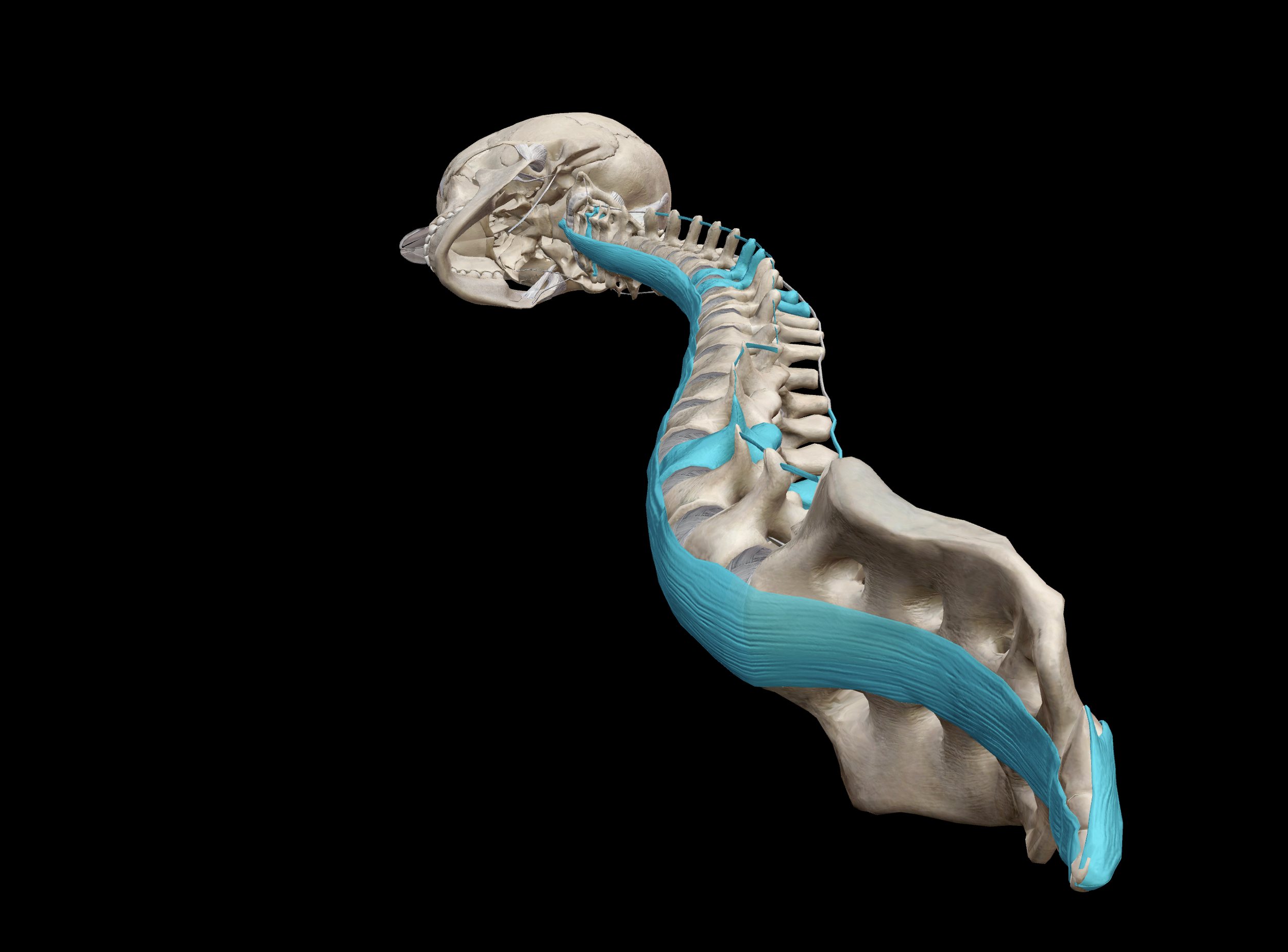
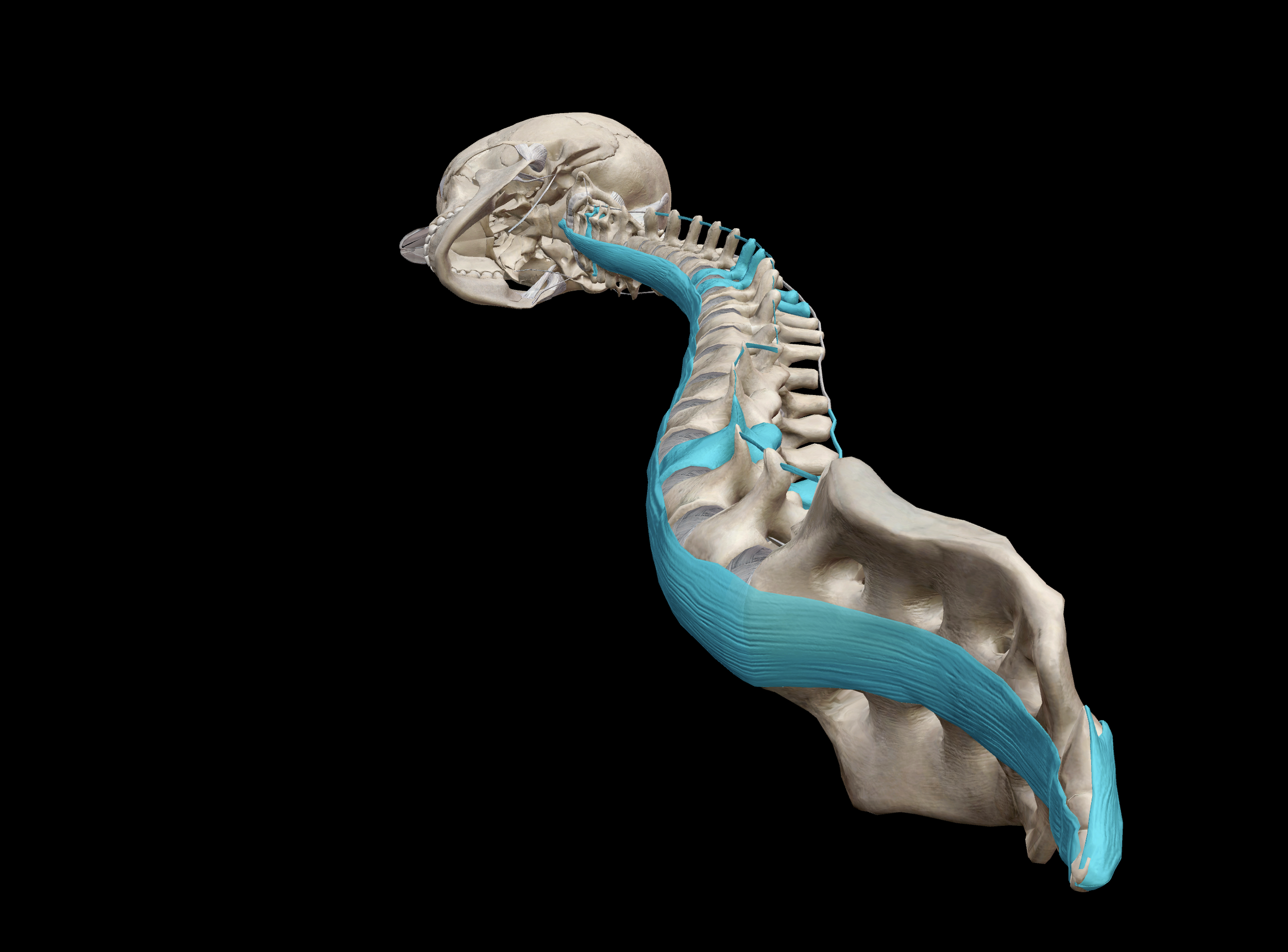
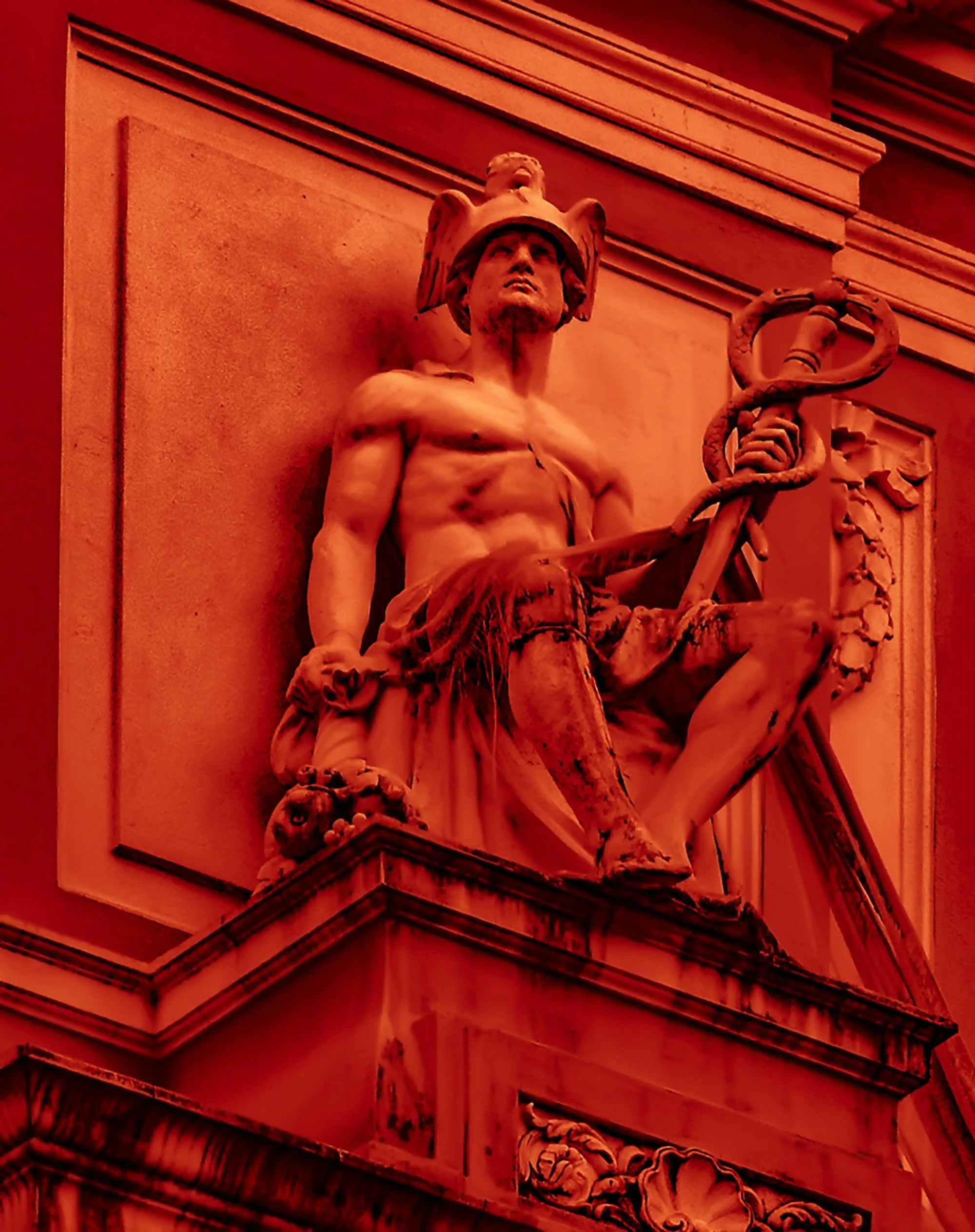
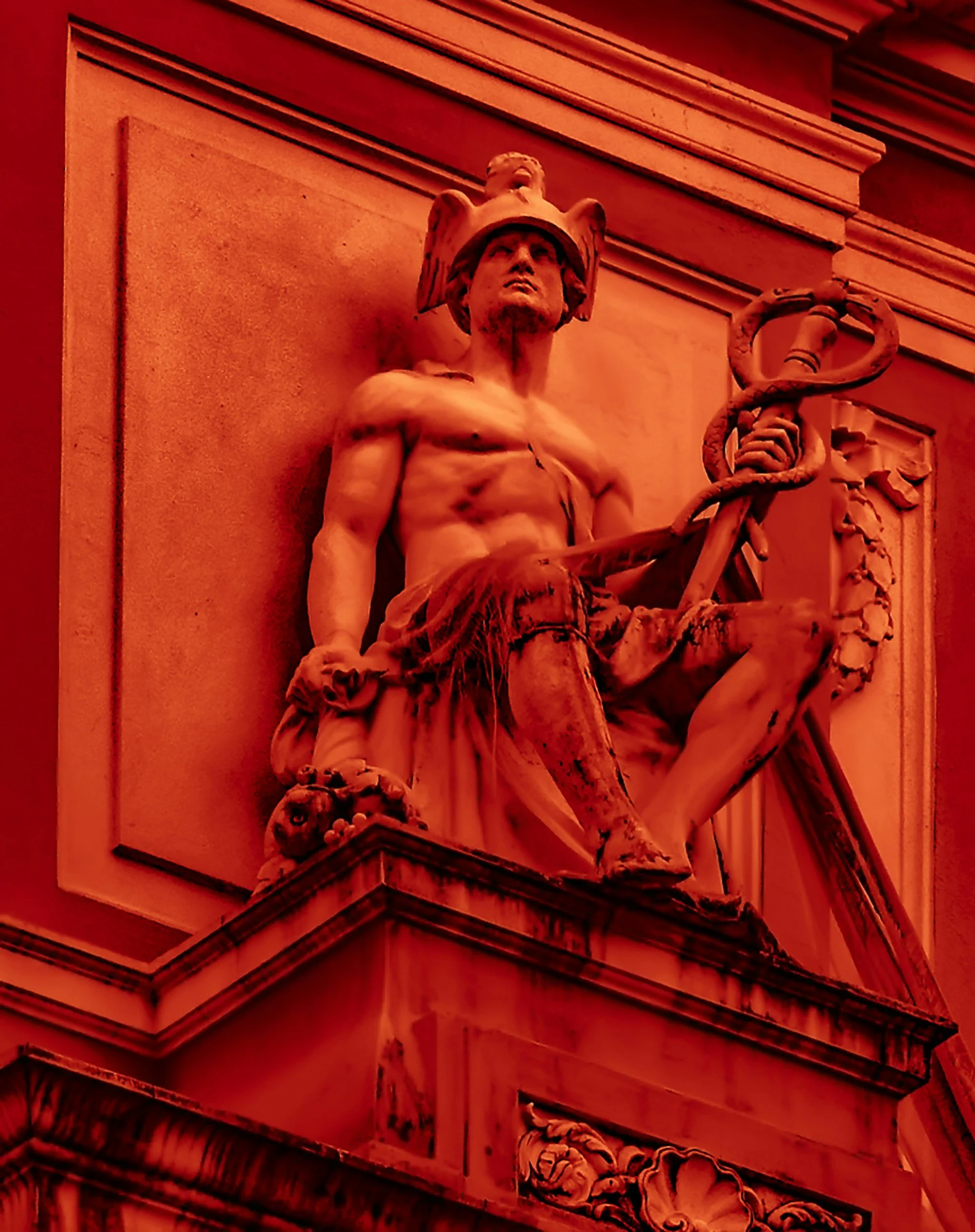
Ida & Pingala, the Female & Male Nadi's that connect the chakras, rise through our body like the two serpents on the staff of Hermes. Balancing the two channels through each centre unifies their qualities into Sushumna - the central channel. We roll on the floor so our weight can trace the spiral of Ida from pelvis to head. We move body, attention & breath slowly .. to linger with the flow of all.
We consider the orbit of Ida & Pingala - rolling over their path as if the head of each serpent was driving the movement from the inside. As they move up they push us along the floor. As they move back it's as if a corkscrew is being removed. We sense the whole spiral around Sushumna, observing the sensation of their movement from within. In sitting, we allow them to move (or not) on their own.
How do the shape of our torso & the spiral movements of Ida & Pingala feed into our limbs as we move? In the space between Ida & Pingala we find Sushumna & channels for the flow of Prana through our whole body. We sense how the direction of each spiral at the front & back of each Chakra assists us to move. As we roll we extend through that space weaving ourselves across the fall line of gravity.
We sit, spiralling our torso around the midline with the head of Ida or Pingala driving the movement. Sensing the front of the spiral in front and the back behind, we move the observing part of our mind through our middle. Can we make it effortless? Can we do it in different positions? It's the key to easy action & the 'view' that allows us to connect Prana or life to our experience of breath.
We sit, spiralling around the midline as in the last lesson but here we focus on the absorption of Prana as we move. We observe our balance, looking for restrictions & either allow them to be there or soften by moving our vital breath. How do we do that? Prana drives Ida & Pingala but what drives Prana? Does it need driving? Sensing the natural rhythm of our breath & a little composure may help.
We create a talisman of the inside of the nose and sinuses to observe the interaction between breath, body and the space of the mind. How does the movement of breath through our nostrils relate to the movement of our body as we breathe? Can we use this talisman to influence the way we move and breathe?
Sensing the flow of breath within each nostril we notice correlations between the quality of flow & the movement of the rest of our body. We create an imaginary talisman from the spaces within our nose & face. If there are restrictions in the flow of breath we imagine the talisman softening or expanding. How will it affect, not only the flow of breath but also the movement of the rest of our body.
We extend awareness of our airway to the vestibule of our nose, the space of the mouth & the volume of the whole torso. We seek to immerse ourselves in the experience of breathing, observing any area that may be braced or held. Noticing how that bracing affects the way we move, we look for correspondences within the image of our airway. Without effort, we imagine the image opening to free our breath.
The same parts of our brain 'see' an object when we're awake & when we're dreaming. Is it the same when we imagine the space within our nose, body or indeed the space of the mind? We attend to the balance of breath through each nostril & side of our body, noticing the way our eyes respond to thought, feeling & shifts of attention. If we find stillness here will we find it in the space of the mind?
How do the ears, nose & eyes inform our sense of balance? We have the concept of an all-seeing eye in the middle of the head, could it be an all-hearing ear? Adding the airy spaces of the middle ear to our image of the airway, we balance the flow of breath through each side by imagining changes in the image. Our body is soft .. we open it within the space of the mind & the sounds of where we are.
How can we inhabit the whole body to move in a way that expresses all that we are? We open our internal image of the airway to engage the pre-occupied parts of our body. We free the movements of breath within our pelvis, abdomen, chest, neck & head. Once connected, we sense the way the numinous quality of our internal heat extends through our limbs - the way it's radiance can move the tangible air.
How is each sense expressed in the internal representation of our body & world? Can we feel it in the character of our breath? We extend through opposite limbs as we tune into this, clarifying our internal image by manipulating an idea of our airway within the centre of our head. As our focus eases though the whole body we roll, tuning into our radiance through our breath & the heat of our hands.
Our hands reflect our sense of self & world. They are widely represented within our brain as they are used in so many functions. Moving our hands with the natural breath, we open the image of our airway to balance. Can we visualise that process without effort, other than that needed for breathing & sitting? Can we use the radiance of our hands to reach inside without touching & assist that process?
This brief lesson explores how attending to the quality of a simple movement can have a profound influence on the perception and experience of our body. If the side feels more awake after the process does that mean it was asleep beforehand? Perhaps it was just dreaming?
The unconscious thoughts & feelings driving the tensions of our 'waking dream' disappear if we drop the tensions. We lift the head with our hands to find this. Each move becomes easier as we balance the flow through each side of our airway. We release one side of our body without strain, using only our attention & a change of position. Will one side be more awake? What will we hear through each side?
Our sense of self & world is shaped by the dreams & reflections of our mind. Is the 'bracing' we do when confronted by a challenging movement a fragment of that sense? Why do these unconscious patterns of unnecessary effort persist? We explore the conscious use of our mind to influence those patterns using imagery without physical effort. How relevant now are those background thoughts & feelings?
How does our body image respond to the dreams we dream & the dreams that dream us? We apply this terms process to FM Alexander's 4 primary directions & his concept of inhibition to align our body image with 'reality' as we move. By paying close attention & stopping if we feel any tensions that interfere with balance we can listen for a state of poise that allows the realisation of vision in peace.
Is the shape of our inner landscape affected by our nocturnal & waking dreams? Or do our sensory & bodily habits shape that space? We clarify FM Alexanders primary directions adding our centre, spine & elbows to the recipe. Using imaginary manipulation, the movement of breath & FM's concept of inhibition, we release impediments to our poise. Can we open our body to the numinous embrace of emptiness?
How do the rhythms of the the heart, lungs & brain harmonise? Or the counter balancing movement of our head & spine influence the flow of cerebro spinal fluid within our skull and spine?
If we can program ourselves to wake up at a certain time, why not ask our unconscious mind for insight, ideas, healing or wisdom? To explore this timeless archive, we ride the natural rhythm of our breath using tiny movements of our hands & feet, that involve the whole body in the action. We move within our mind, paying attention to the details of our journey & the ideas our habits have hidden.
Counterbalance in acture involves easy movement of all joints relative to the action & gravity. Using a door frame we explore the directions we can effectively apply force. We sense the relation of our head, hands & feet through all the joints of the limbs, our spine & the head, chest & pelvis. We move & adjust with the changes unravelling the reactive tensions of dreams that once held us in check.
We consider the relationship between the arches of the feet & the curves of the spine. How do they co-operate as we transfer our weight from one foot to the other? We notice the strength & flexibility of this dynamic relationship as we interlace our fingers & toes to sense the co-ordination of the arm, the leg & the spine. In the process we discover parts of our foot that are normally invisible.
A negative state often reflects a diminished body image. Sensing our mood, we notice how the curves of our spine are mirrored in the feet & hands. With our hands under our pelvis or holding our feet, we sense the way the whole body moves as we roll our pelvis. We sense the curves of our spine, pelvis & ribcage from the inside. How will this affect our state of mind & the ease with which we walk?
Using 4 balls we connect the hands & feet to the head, chest, pelvis & spine. We move with the breath looking for telltale tensions that express of our unconscious resistances to the flow of life. In standing & lying we adjust our torso to freely move our limbs as extensions of the breathing whole. How is it to walk when the embodied narratives that tell us we need to do more are silent?
We move our feet & hands in harmony with our diaphragm & pelvic floor. The tender feelings around the inside of our breathing ribcage are feelings of being alive! Lying on our back or side with 4 balls to assist we sense where we brace ourselves & allow everything to be the way it is. Even our bracing moves as we breathe. Will going with the flow enliven more areas of our body? Go for a walk after!
We connect our head, chest, pelvis & limbs as we roll our pelvis on a clock. We imagine becoming sugar gliders with wings between our arms & legs! Using 4 balls we reach & roll to feel the membrane of the wings extending out from the front & back of our body. Sensing within the cylinder of our neck, ribcage & torso we move with our breath to create a sense of the air beneath our wings. Go for a walk afterwards!
How do we embody the thoughts & feelings we create or inherit? We explore the way our head, hands, feet & senses create & reflect our internal maps. Rolling a ball under our feet & hands we focus on our thoughts & ask 'Are they real? or just empty appearances?' Do we really need to react? We roll & attending with all of our senses to the play of the mind in our body. Go for a walk afterwards!
We transfer our weight along the outside of our foot to the ball of the little toe, then across the front of the foot to the ball of the big toe as we walk. We explore this in several orientations on the wall & floor. We also pivot from heel to ball on either one or both feet. Its the basis of a move used in dance. Can we sense the ground with the whole body through the lens of our feet & toes?
This brief lesson senses the connection of your foot to the rest of your body. It improves the way you stand & walk. We gently roll a ball on the floor feeling the pads & contours of our foot without disturbing them. How can we do this in a way that allows us to sense our breathing and the counterbalancing movements of the rest of our body? It’s useful if you have trouble walking at the moment and need to take care with how you transfer your weight.
Are our sensations reliable? Or are they only a partial reading of where we are? We recreate sensations from different parts of the body in the tongue in this lesson. That sounds crazy until you realise the extent of the tongue's connection to our experience of life & how sensitive & adaptable it is. What happens to the old sensations when you do match them in the tongue? A deeply relaxing lesson.
In this brief lesson we sense the front of our body in detail then recreate that sense of our front at the back of our body. It’s a curious sensation that demonstrates just how much our sensations can be manipulated. It’s a relaxing process that leaves you feeling more upright with an enhanced sense of the space around you
We connect our head, chest, pelvis & limbs as we roll our pelvis on a clock. We imagine becoming sugar gliders with wings between our arms & legs! Using 4 balls we reach & roll to feel the membrane of the wings extending out from the front & back of our body. Sensing within the cylinder of our neck, ribcage & torso we move with our breath to create a sense of the air beneath our wings. Go for a walk afterwards!
How do we embody the thoughts & feelings we create or inherit? We explore the way our head, hands, feet & senses create & reflect our internal maps. Rolling a ball under our feet & hands we focus on our thoughts & ask 'Are they real? or just empty appearances?' Do we really need to react? We roll & attending with all of our senses to the play of the mind in our body. Go for a walk afterwards!
We transfer our weight along the outside of our foot to the ball of the little toe, then across the front of the foot to the ball of the big toe as we walk. We explore this in several orientations on the wall & floor. We also pivot from heel to ball on either one or both feet. Its the basis of a move used in dance. Can we sense the ground with the whole body through the lens of our feet & toes?
This brief lesson senses the connection of your foot to the rest of your body. It improves the way you stand & walk. We gently roll a ball on the floor feeling the pads & contours of our foot without disturbing them. How can we do this in a way that allows us to sense our breathing and the counterbalancing movements of the rest of our body? It’s useful if you have trouble walking at the moment and need to take care with how you transfer your weight.
Are our sensations reliable? Or are they only a partial reading of where we are? We recreate sensations from different parts of the body in the tongue in this lesson. That sounds crazy until you realise the extent of the tongue's connection to our experience of life & how sensitive & adaptable it is. What happens to the old sensations when you do match them in the tongue? A deeply relaxing lesson.
In this brief lesson we sense the front of our body in detail then recreate that sense of our front at the back of our body. It’s a curious sensation that demonstrates just how much our sensations can be manipulated. It’s a relaxing process that leaves you feeling more upright with an enhanced sense of the space around you
Rather than resist the tensions that shape us (& seize our attention) we attend to the opposite side of our body - fleshing out those 'invisible' other sides to remove the need for excess tension. We use our tongue to sense the interior connection. We begin in stillness then lift our limbs to sense this process in an action. The surprise is the way our balance unfolds. It's a good one to practice.
We sit, tuning into the sensations we can easily feel & their orientation to our skeleton. We apply that close awareness to the hazier parts of our body, tuning in to the structures there from the same perspectives. How do each side of the tongue, eyes & ears reflect those differences? Cross referencing each side we create a 3-D sense of our presence that makes it effortless to stand & move. Enjoy!
Sensing the space between the front & back of our legs & feet, we lengthen our hamstrings. Is there an echo of the resistance we feel, in the tongue? Can we use the awareness of that to feel the connection of our limbs to the head, neck & torso from the inside? We consider how our resistances relate to our sense of self & world? If we change the sense of our body do we change our sense of the world?
Imagining our body as a single cell we notice the sensations of our volume with our ears & the resonant structures of our body. We focus on the softness of our eyes, neck & tongue as we deconstruct 'crawling' on our back & stomach then on to our hands & knees. We twist & flex just like a cell giving equal importance to all of the structures within.
In sitting, we consider the balance of our head & the fan like structures that connect our limbs & head, from the inside of our body. We roll over the feet as if we were walking, sensing the connection to our head through the spine & torso. In the process we discover how refining the 3-D sense of our body & it's position within our peripheral sensory fields influences the ease of our actions.
Do the feelings within you move as you breathe or do they remain static? & is it your emotions that you sense or is it just your reactions to them? In sitting, standing & walking you'll notice their volume, position & how they shape your idea of self & world. You'll listen closely to how they're embodied then recreate them on the opposite side. What will you feel in between? Go for a walk afterwards!
In this thirty minute lesson we turn our head to one side in order to sense the organisation of our whole body. How would breathing through the sides of your spine influence your sense of its presence?
We roll our head & pelvis to feel the curves of our spine interact as we move. Where do they sit within us? We sense how the peripheral nervous system extends out through the sides of the spine & the head to touch every part of our body. It can be useful when we're challenged to spread our attention beyond the immediate problem. This is a very good place to start. Go slowly & then do go for a walk!
Lying on our side we explore the moving curves of our spine as we extend our limbs & roll. We sense the way our experience of discontent is embodied & it's absence as the lesson progresses. Rather than resist our limits we allow ourselves to be where we are. We consider co-ordination rather than force. If we stay within our comfortable range will we feel a sumptuous freedom? Have a walk afterwards!
The middle of the pelvis is the anatomical centre of our body. To be 'centred' is to have an accurate body image & access to all of our faculties. Yet our body image is often at odds with what is there, making the centre hard to sense. To find it, we roll our pelvis in half circles in different orientations. We sense its shape, position & influence as we allow it to drive the way we move. Go for a walk afterwards!
Moving our pelvis on the floor we imagine floating eyes within our head, chest & pelvis. If they face forward as we move, our skeleton can slide around them like a socket around a ball. If we are still, the eyes can look around & beyond our body in the frontal, sagittal & transverse planes. What is it to see the world from the perspective of your head, chest or pelvis? Go for a walk afterwards!
We connect to the world through our head, hands & feet, processing it through the rest of our body. Our extremities are more differentiated & sensitive - We test the water with our toes & reach into darkness with our fingertips. Rolling a leg out, up & over we sense how the toes & fingertips can listen to the world as the head, spine & torso adjust. Or is it the other way? Enjoy a walk afterwards!
How do we interpret the sensory information we receive through our hands? What role does the torso play? We explore how each finger connects to the width & depth of our shoulder girdle & torso, moving our fingers as if we were about to catch something of great importance. Tuning in to the movement of the skeleton within the layers of connective tissue we sense the involvement of the whole body.
This brief crawling lesson explores the basis of our balance and our shifting webs of support. We create freedom through our wrists by sensing the fingers and palms connecting through the wrists, elbows and arms to the head, neck and torso. If crawling on your hands and knees is too difficult it can be done by moving on a table or against a wall. Go for a walk afterwards!
Crawling is so useful! But how do we allow the tiny bones of the hands to open so that it's easy to be on our hands & knees? Using delicate movements of our wrists we sense a channel into the whole body. Each time we lift onto our hands it becomes easier. We sense how to organise our head, chest & pelvis to lift our limbs without effort. The effect on our feet is surprising! Go for a walk afterwards!
The 7 tarsal bones shape the arches of our feet, adapting to shifts in our organisation. We hold the tarsals in different orientations - pressing or lifting the foot to feel how force is directed. Moving the rest of the body we sense the sensitivity with which our feet can listen. In the process we discover a level of stability and sensitivity we never knew we had. Go for a walk afterwards!
We sense how the force that is either cushioned or generated within the arches of our feet & hands is connected through the torso. We move the torso & our held breath as we push, pull or lift our hands & feet in different orientations. We sense connections from our extremities to the core. Can we listen with our hands & feet so that the dynamism of the arches can be expressed through the whole body?
We spend a lot of time observing our body. Can we allow our body to observe us? Will it see the things we will not see? To do this, we lie over a rolled up towel in different ways, moving our breath to sense the space within our whole body. Where do we stop ourselves from moving? How does that relate to what we experience? Can we find a fresh perspective on where we are & drop a few of our worries?
Our two jaws connect smell & taste to the skeleton. What is the smell & taste of your body, your environment or your actions? We respond to smell and taste. Consider how it is when you eat something delicious or when you didn't want to eat as a child? We connect the sensations of smell and taste as we roll on the floor or wall. Being tuned in to these senses will make you feel more intuitive & alive.
The jaws open our face to the world. Tensions here are often reflective of a general uncertainty about where we are. So we push & pull our skin to gather the deeper layers then roll as we hold our shoulders or legs. If we brace, we stop, taste & listen .. for a lever or other path. We sense our jaws, our nose & tongue & our hands & feet as connected & connective sensory organs. Go for a walk afterwards!
We move our skin with our hands & our eyes & jaw to each side, lying on the floor or standing with a hand on the wall. We move paying attention to the spaces we see, touch or taste with our focussed & peripheral sensory fields. Even as we register what is in front of us we can sense the organisation of our body in space with our inner eye or tongue. We can pause! In the process we find composure.
This lesson asks you to consider your body as an eco system that is home to the living organisms of your microbiome. Do they influence the way you feel or move? How do you influence them? You'll use your eyes, your tongue, your hands, skin & diaphragms to consider the volume & mood of the space within you. What happens if you move in a way that is respectful & appreciative of their presence?
Lying on the floor you gently twist your body by moving your knees & your head to the side. As you do it in different ways something unfolds. It becomes easier. Walking afterwards is also easier. It may make you wonder how your experience of life is related to the organisation of your body. If you refine the quality of the way you move how will it affect the quality of your experience?